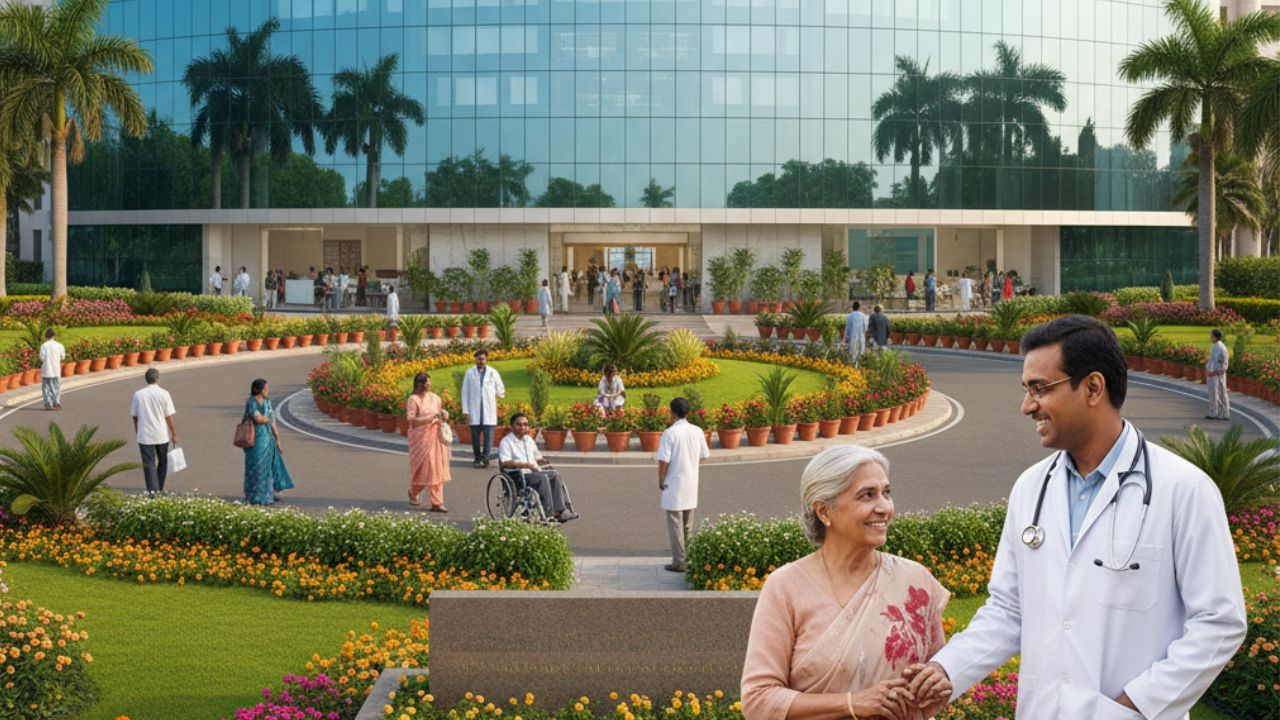
India has quietly become one of the world’s most sought-after destinations for medical care. Millions of patients from over 180 countries now travel here each year—not out of necessity, but by choice. The combination of cutting-edge technology, highly trained specialists, and costs that are a fraction of what you’d pay in the West has made India a compelling option for anyone facing a significant medical procedure.
But navigating a foreign healthcare system is daunting, even when the quality is exceptional. Which hospitals are best equipped to handle international patients? Which cities offer the strongest medical infrastructure? And what should you realistically expect when you arrive?
This guide answers all of those questions. We’ve profiled the top hospitals in India for medical tourism, broken down the accreditation standards that matter, and outlined the practical logistics—from visa support to post-operative care—so you can plan your medical trip with confidence.
Why Patients Choose India for Medical Care
The numbers tell a compelling story. A heart bypass surgery that costs $120,000 in the United States can be performed in India for as little as $5,000–$7,000. Knee replacement surgery? Around $6,500 in India, compared to $40,000–$70,000 in the UK or US. These aren’t trade-offs in quality—India’s top hospitals use the same surgical techniques, implants, and diagnostic equipment found in leading Western institutions.
Beyond affordability, India has a deep bench of medical talent. Many of the country’s top surgeons trained at prestigious institutions in the US, UK, or Europe before returning home. English is widely spoken in medical settings, which removes a significant barrier for international patients.
India also benefits from minimal waiting times. In countries with public healthcare systems, patients often wait months for elective procedures. In India’s private hospital sector, you can typically schedule surgery within days of arrival.
Understanding Accreditation: JCI and NABH Explained
When choosing a hospital abroad, accreditation is one of the clearest indicators of quality and safety. Two certifications matter most for international patients.
Joint Commission International (JCI) is the global gold standard. Awarded by the same organization that accredits hospitals in the United States, JCI certification means a hospital has met rigorous standards for patient safety, clinical outcomes, and operational protocols. Only a handful of Indian hospitals hold this status—a meaningful distinction.
National Accreditation Board for Hospitals & Healthcare Providers (NABH) is India’s equivalent accreditation body. NABH-certified hospitals meet high domestic standards for infrastructure, hygiene, and patient care. For international patients, hospitals with both JCI and NABH accreditations offer the strongest assurance of quality.
Always verify a hospital’s current accreditation status before booking—certifications are periodically renewed and can lapse.
Top Hospitals in India for International Patients
Apollo Hospitals
Apollo is arguably India’s most recognized healthcare brand. Founded in 1983, it has grown into a network of over 70 hospitals across the country, with flagship locations in Chennai, Hyderabad, Delhi, and Bangalore.
Apollo Hospitals Chennai is particularly well regarded for cardiac surgery, organ transplants, and oncology. The hospital holds JCI accreditation and has treated patients from over 120 countries. Apollo’s international patient services division handles everything from airport transfers and accommodation to medical visa assistance and treatment cost estimates—making it one of the most seamless experiences available.
Apollo is also home to one of Asia’s largest robotic surgery programs, using the da Vinci Surgical System for minimally invasive procedures across multiple specialties.
Fortis Healthcare
Fortis operates a network of hospitals across India, with major centers in Delhi (Fortis Escorts Heart Institute), Mumbai, Bangalore, and Chandigarh. The Fortis Escorts Heart Institute in New Delhi is internationally recognized as one of Asia’s leading cardiac care facilities, performing over 15,000 cardiac procedures annually.
For international patients, Fortis offers dedicated international patient lounges, multilingual coordinators, and streamlined administrative processes. The network is particularly strong in cardiology, orthopedics, neurology, and renal care. Several Fortis facilities hold both JCI and NABH accreditations.
Max Healthcare
Max Healthcare’s flagship facility—Max Super Speciality Hospital in Saket, New Delhi—consistently ranks among India’s top hospitals. With over 1,500 beds and more than 3,000 specialists, it covers virtually every medical discipline.
Max has a strong reputation in bone marrow transplants, liver transplants, and minimally invasive spine surgery. Their international patient center provides personalized case management, meaning a single coordinator handles your entire journey from initial inquiry through discharge and follow-up care. This is particularly valuable for patients who need to coordinate between multiple specialists.
Specialized Care Centers Worth Knowing
Beyond the major networks, India has a number of specialized centers that attract international patients for specific conditions.
Cardiology: The Sri Jayadeva Institute of Cardiovascular Sciences in Bangalore and Narayana Health’s cardiac hospitals (founded by cardiac surgeon Dr. Devi Shetty) are globally respected. Narayana Health pioneered a high-volume, low-cost cardiac surgery model that delivers outcomes on par with top Western hospitals.
Oncology: Tata Memorial Centre in Mumbai is one of Asia’s leading cancer hospitals, known for complex oncological surgeries and research. Adyar Cancer Institute in Chennai and the HCG Cancer Centre network also treat a significant number of international patients.
Orthopedics: Medanta – The Medicity in Gurgaon (near Delhi) has a dedicated orthopedics division that handles complex joint replacements, sports injuries, and spinal disorders. Many patients from the Middle East and Africa travel specifically to Medanta for orthopedic procedures.
What the Patient Experience Actually Looks Like
One of the biggest concerns international patients have is what happens beyond the operating room. The good news is that India’s top hospitals have invested heavily in making the experience manageable for foreigners.
Language support: English is the primary language used in leading private hospitals. Many hospitals also offer interpreters for Arabic, Russian, French, and Swahili, given the patient populations they serve.
Visa assistance: India offers a Medical Visa (MED visa) specifically for international patients, valid for up to one year with multiple entries. Top hospitals can provide the documentation required for your application, and many have dedicated staff who handle this process regularly.
Accommodation: Most major hospitals offer on-site guest houses or have partnerships with nearby hotels. For longer stays, serviced apartments are widely available near hospital hubs in all major cities.
Post-operative care: Discharge from a major procedure doesn’t mean you’re on your own. Hospitals provide detailed follow-up protocols, and many offer telemedicine consultations after you’ve returned home. Patients are typically advised to remain in India for one to four weeks post-surgery, depending on the procedure.
The Best Cities for Medical Tourism in India
Not all cities are equal when it comes to medical infrastructure. Here’s a quick breakdown of where the best care is concentrated.
Delhi/NCR (New Delhi, Gurgaon, Noida): The largest concentration of top-tier hospitals in the country. Home to Max, Fortis, Medanta, and Apollo Delhi. Well-connected internationally via Indira Gandhi International Airport.
Chennai: Often called “India’s health capital,” Chennai handles a disproportionately high share of medical tourism, particularly for cardiac and transplant surgeries. Apollo Chennai is a major draw.
Mumbai: Home to Tata Memorial Centre, Kokilaben Dhirubhai Ambani Hospital, and Jaslok Hospital. Strong in oncology, neurology, and complex surgeries.
Bangalore: Growing rapidly as a medical hub, with strong institutions in cardiology and orthopedics. Also popular for wellness and alternative medicine, given its pleasant climate.
Each city has international airports with direct connections from the Middle East, Africa, Southeast Asia, and Europe—making logistics straightforward for most international travelers.
Planning Your Medical Trip to India: Practical Tips
A successful medical journey requires more than just booking a hospital. Here’s what experienced medical travelers recommend:
- Start with a remote consultation: Most top Indian hospitals offer video consultations before you travel. Use this to get a diagnosis confirmation, treatment plan, and cost estimate.
- Request an itemized quote: Ask for a detailed breakdown of costs, including surgeon fees, anesthesia, hospital stay, medications, and follow-up consultations.
- Verify accreditation independently: Check JCI’s and NABH’s official websites to confirm a hospital’s current certification status.
- Plan for a companion: Most hospitals encourage international patients to travel with a family member or caregiver, especially for major procedures.
- Factor in recovery time: Be realistic about how long you’ll need before you’re fit to fly home. Your surgeon’s guidance on this should take priority over your travel plans.
- Purchase travel health insurance: Standard travel insurance often excludes planned medical procedures. Look for a policy specifically designed for medical tourists.
Make Your Medical Journey Count
India’s top hospitals offer a genuine combination of quality, expertise, and value that’s difficult to match anywhere else in the world. Whether you’re considering cardiac surgery, a joint replacement, cancer treatment, or a complex transplant, the facilities and specialists are here.
The key is doing your homework before you go. Verify accreditations, speak directly with hospitals, ask detailed questions, and build in enough recovery time after your procedure. Patients who plan carefully consistently report positive experiences—both medically and personally.
If you’re ready to take the next step, contact the international patient services department of your shortlisted hospital directly. Most respond within 24–48 hours and can help you understand exactly what your treatment journey will look like.