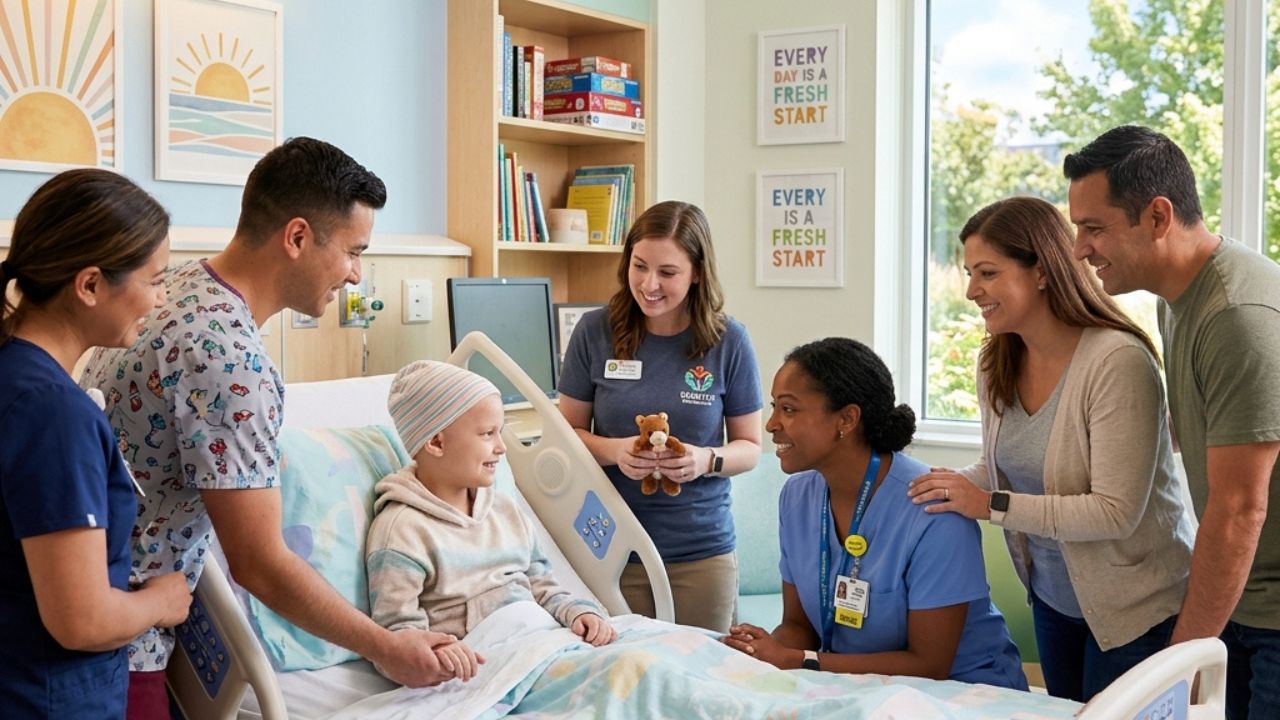
Quick answer: The best hospitals for pediatric cancer treatment in the USA include St. Jude Children’s Research Hospital, Children’s Hospital of Philadelphia (CHOP), Boston Children’s Hospital, Texas Children’s Hospital, and Seattle Children’s Hospital. These specialized pediatric oncology centers offer cutting-edge treatments, extensive clinical trials, and dedicated family support programs.
A pediatric cancer diagnosis is one of the most frightening challenges a family can face. When a child is diagnosed with cancer, the immediate priority becomes finding the highest quality of medical care available. Because pediatric cancers behave differently than adult cancers, they require highly specialized approaches, distinct medical protocols, and environments designed specifically for children.
Pediatric oncology relies on dedicated research centers and specialized pediatric hospitals that have the resources to treat complex cases. Finding the right facility can feel overwhelming when time is of the essence. Families must navigate geographic considerations, insurance networks, and treatment options while managing the emotional toll of the diagnosis.
This comprehensive guide breaks down what you need to know about pediatric cancer care, the key factors to evaluate when selecting a treatment center, and detailed profiles of the top pediatric oncology hospitals in the United States.
What do families need to know about pediatric cancer treatments?
To make informed decisions about your child’s care, it helps to understand the landscape of pediatric cancer and the therapies currently available. Children’s bodies respond to treatments differently than adults, making specialized pediatric oncology crucial.
What are the most common types of pediatric cancers?
Unlike adult cancers, which are often linked to lifestyle or environmental factors, most childhood cancers are the result of DNA changes that occur early in life, sometimes even before birth. The most frequently diagnosed childhood cancers include leukemias (such as acute lymphoblastic leukemia), brain and central nervous system tumors, neuroblastomas, Wilms tumors (kidney cancer), and lymphomas. Each of these requires a highly specific treatment protocol.
What are the standard pediatric cancer treatment modalities?
Treatment plans are highly individualized based on the child’s age, overall health, and the specific type and stage of cancer. Standard treatment modalities include:
- Chemotherapy: The use of powerful medicines to destroy cancer cells. Pediatric oncologists carefully calculate doses to maximize effectiveness while minimizing long-term developmental impacts.
- Radiation Therapy: High-energy waves used to shrink tumors and kill cancer cells. Advanced techniques like proton beam therapy are often used in pediatrics to spare healthy surrounding tissue.
- Surgery: The physical removal of tumors. Pediatric surgical oncologists specialize in operating on small, growing bodies.
- Immunotherapy: Treatments that stimulate the child’s own immune system to recognize and attack cancer cells.
Why are clinical trials important in pediatric oncology?
Clinical trials are the backbone of advancement in pediatric cancer treatment. Because childhood cancers are relatively rare, progress depends on collaborative research. Many top hospitals participate in groups like the Children’s Oncology Group (COG). Enrolling a child in a clinical trial can provide access to the newest, most promising therapies before they become widely available, offering hope for difficult-to-treat diagnoses.
What factors should families consider when choosing a pediatric cancer hospital?
Selecting a treatment center involves looking beyond standard medical care. The best pediatric cancer hospitals in the USA offer comprehensive, holistic support for both the patient and the family.
Multidisciplinary care teams
Top-tier hospitals utilize a multidisciplinary approach. This means your child’s care team will include pediatric oncologists, surgeons, radiation specialists, pathologists, and specialized oncology nurses working collaboratively to design and execute a treatment plan.
Advanced technology and pediatric research
Look for hospitals designated as Comprehensive Cancer Centers by the National Cancer Institute (NCI). These institutions are recognized for their scientific excellence and robust clinical research programs. They possess advanced diagnostic imaging and precision radiation tools designed specifically for pediatric patients.
Patient support and child life services
A child’s emotional and psychological well-being directly impacts their physical recovery. Elite pediatric hospitals employ Child Life Specialists who use play, education, and psychological support to help children understand their diagnosis and cope with frightening procedures. Social workers and pediatric psychologists are also critical components of the care team.
Family-centered care models
Pediatric cancer disrupts the entire family unit. The best hospitals practice family-centered care, recognizing parents as vital members of the medical team. They offer housing assistance, sibling support programs, financial counseling, and educational resources to keep children on track with school during long hospital stays.
Which facilities are the top hospitals for pediatric cancer treatment in the USA?
The following institutions consistently rank at the top of national lists, such as the U.S. News & World Report rankings, for pediatric oncology. They are recognized globally for their clinical outcomes, research breakthroughs, and patient care.
St. Jude Children’s Research Hospital (Memphis, TN)
St. Jude Children’s Research Hospital is globally recognized for its pioneering research and unique operational model.
- Specialties and unique programs: St. Jude specializes in pediatric leukemias, brain tumors, lymphomas, and solid tumors. The hospital is famous for developing protocols that have helped push the overall survival rate for childhood cancer from 20% to over 80%.
- Research and clinical trials: As a dedicated research institution, St. Jude seamlessly integrates laboratory discoveries with clinical care. They run hundreds of clinical trials and share their research breakthroughs freely with doctors and scientists worldwide.
- Patient and family support: The most distinct feature of St. Jude is its financial model. Families never receive a bill from St. Jude for treatment, travel, housing, or food. This allows parents to focus entirely on helping their child live.
Children’s Hospital of Philadelphia (CHOP) (Philadelphia, PA)
The Children’s Hospital of Philadelphia features one of the most distinguished pediatric oncology programs in the nation, renowned for handling the most complex and rare cases.
- Oncology program highlights: CHOP’s Cancer Center treats thousands of newly diagnosed children each year. They have highly specialized programs for bone and soft tissue tumors, neuroblastoma, and leukemia.
- Innovative treatments: CHOP is a pioneer in cellular therapies. They were instrumental in the development and FDA approval of CAR T-cell therapy, a revolutionary treatment that genetically modifies a patient’s own immune cells to attack leukemia.
- Support services: CHOP provides extensive psychosocial services, survivorship programs, and integrative therapies like art and music therapy to support healing.
Boston Children’s Hospital (Boston, MA)
Partnering with the Dana-Farber Cancer Institute, Boston Children’s Hospital forms the Dana-Farber/Boston Children’s Cancer and Blood Disorders Center, creating a powerhouse of pediatric oncology care.
- Dana-Farber/Boston Children’s Center: This unique collaboration combines a top-ranked children’s hospital with a world-renowned cancer institute. Patients receive inpatient care at Boston Children’s and outpatient care at Dana-Farber.
- Research breakthroughs: The center leads the field in genomics and precision medicine. They excel in mapping the genetic blueprint of a child’s specific tumor to target it with bespoke drug therapies.
- Comprehensive care: Their Pediatric Brain Tumor Center is one of the largest and most advanced in the world, offering pioneering neurosurgical techniques and specialized long-term follow-up care.
Texas Children’s Hospital (Houston, TX)
Located within the massive Texas Medical Center, Texas Children’s Hospital houses a premier cancer and hematology center with immense resources and a global reach.
- Cancer and hematology center: Texas Children’s sees one of the highest volumes of pediatric oncology patients in the country, giving their physicians unparalleled experience across all cancer types.
- Pediatric oncology expertise: The hospital leads the field in bone marrow and stem cell transplants. They are also home to the Global HOPE initiative, which aims to improve pediatric cancer care in sub-Saharan Africa.
- Patient outcomes and facilities: The hospital offers state-of-the-art facilities, including dedicated pediatric intensive care units for oncology patients and specialized survivorship clinics that monitor patients well into adulthood.
Seattle Children’s Hospital (Seattle, WA)
Seattle Children’s Hospital is highly respected for its relentless focus on translating laboratory science into clinical cures, particularly in the realm of immunotherapy.
- Ben Towne Center for Childhood Cancer Research: This center is at the forefront of immunotherapy research. Seattle Children’s scientists are working to reprogram the immune system to eradicate cancer without the toxic side effects of traditional chemotherapy.
- Integrated care approach: The hospital integrates alternative pain management, nutritional support, and physical therapy directly into the oncology treatment plans, ensuring the child’s body remains as strong as possible.
- Family resources: Seattle Children’s provides robust logistical and emotional support for families relocating for treatment, including partnerships with local Ronald McDonald Houses and dedicated patient navigators.
What does the future of pediatric oncology look like?
The landscape of pediatric cancer treatment is evolving rapidly. Traditional therapies are giving way to highly targeted, less toxic approaches designed to cure the child while preserving their long-term quality of life.
Gene therapy and precision medicine
Precision medicine involves analyzing the genetic mutations driving a specific child’s cancer. Instead of applying a broad chemotherapy protocol, doctors can now prescribe targeted inhibitors that block the exact pathways the cancer uses to grow. Gene therapy continues to expand, offering hope for previously incurable genetic abnormalities.
Minimally invasive surgical techniques
Advances in robotic surgery and advanced imaging allow pediatric surgeons to remove complex tumors with smaller incisions, less pain, and faster recovery times. Tools like intraoperative MRI help surgeons ensure they have removed the entire tumor while protecting delicate surrounding tissue, such as in the brain or spinal cord.
Long-term follow-up care
Because childhood cancer survivors often face late-effects from their treatments—such as heart issues, secondary cancers, or cognitive challenges—top hospitals now mandate long-term survivorship clinics. These clinics monitor patients for decades, ensuring any late-effects are caught and managed early.
Navigating the pediatric cancer journey
Choosing the right hospital for pediatric cancer treatment is a deeply personal decision that balances medical excellence, logistical feasibility, and emotional support. Institutions like St. Jude, CHOP, Boston Children’s, Texas Children’s, and Seattle Children’s represent the pinnacle of medical care, offering families access to the brightest minds and most advanced therapies in the world.
While the diagnosis is daunting, the rapid acceleration of pediatric cancer research offers profound hope. If your family is facing this diagnosis, rely on your local medical team for immediate guidance, but do not hesitate to seek second opinions from these top-tier institutions. Reach out to the patient intake coordinators at these hospitals to explore your options, understand clinical trial availability, and take the first step toward specialized care.
Frequently Asked Questions
Will health insurance cover treatment at an out-of-state pediatric cancer hospital?
Coverage depends heavily on your specific health insurance policy. Many plans require a network exception or prior authorization to cover out-of-state care. Hospitals with dedicated pediatric oncology programs have specialized financial counselors who can help you navigate insurance approvals, and many organizations offer grants to offset travel and housing costs.
How do I get a second opinion from a top pediatric cancer hospital?
Most top pediatric cancer hospitals offer remote second opinion services. Your local oncologist can send your child’s medical records, pathology slides, and imaging to the specialized center. A multidisciplinary team will review the case and provide a comprehensive treatment recommendation without requiring immediate travel.
Are pediatric clinical trials safe for my child?
Clinical trials are heavily regulated and monitored by Institutional Review Boards (IRBs) to prioritize patient safety. While all medical treatments carry risks, clinical trials offer access to therapies that have shown significant promise in earlier studies. Your child’s oncologist will thoroughly explain the potential risks and benefits before enrollment.
Do families have to relocate for pediatric cancer treatment?
Relocation depends on the specific treatment protocol. Some intensive therapies, like bone marrow transplants or CAR T-cell therapy, require families to stay near the hospital for several weeks or months. Major pediatric hospitals partner with organizations like the Ronald McDonald House to provide low-cost or free long-term housing for families in these situations.